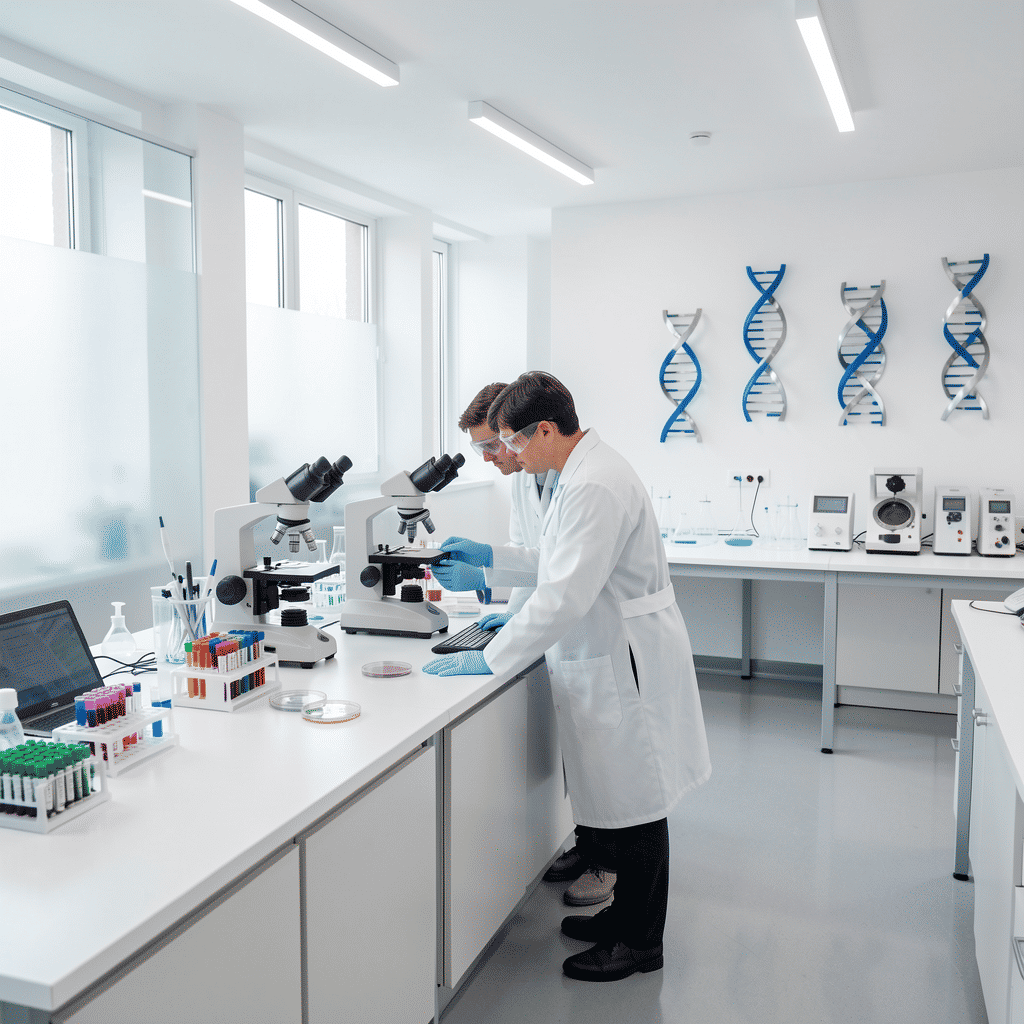
In recent years, biotechnology has positioned itself as one of the most dynamic and groundbreaking fields propelling us toward a future of unprecedented medical innovations. This transformative science leverages biology to develop new technologies and products that improve our health and the environment. At the forefront of biotechnological advancements are genetics and life sciences, two domains that hold the promise of revolutionizing how we understand and treat diseases.
The advent of CRISPR-Cas9 technology, a groundbreaking genetic editing tool, has marked a significant milestone in genetics. It offers scientists the unparalleled ability to edit genes with precision, efficiency, and affordability. This tool is not only instrumental in correcting genetic defects but is also paving the way for personalized medicine, whereby treatments can be tailored to the individual genetic profiles of patients. By targeting specific genetic markers, CRISPR is ushering in a new era of targeted therapies for conditions such as cystic fibrosis, muscular dystrophy, and certain types of cancer.
Moreover, the integration of artificial intelligence (AI) and machine learning in life sciences is accelerating the pace of discovery and development. These technologies enable researchers to analyze vast amounts of biological data, uncovering patterns and insights that would be impossible for humans to discern unaided. In drug development, AI is being utilized to predict potential drug interactions and efficacy, significantly shortening the drug discovery process and reducing research costs. Companies are deploying machine learning algorithms to identify biomarkers that can lead to the development of new diagnostic tools and treatments.
The field of regenerative medicine is another promising area where biotechnological advancements are making waves. Stem cell therapy, a pivotal component of this field, offers the potential to regenerate damaged tissues and organs, offering hope to patients with debilitating conditions such as spinal cord injuries, heart disease, and diabetes. Research in this area continues to progress, with scientists exploring how to effectively harness the power of stem cells for therapeutic purposes.
Furthermore, biotechnology's reach extends beyond human health into agriculture and environmental sustainability. Genetic engineering is being used to develop crops resistant to pests, diseases, and environmental stressors, thereby enhancing food security. Additionally, innovations in biofuel production from microorganisms are contributing to more sustainable and eco-friendly energy solutions.
However, with great power comes great responsibility. As we tread into these uncharted territories of genetic manipulation and bioengineering, ethical considerations must remain at the forefront. The potential for genetic discrimination, privacy violations, and unintended ecological consequences necessitates a careful and regulated approach to the application of biotechnological advancements.
In conclusion, biotechnology stands at the vanguard of a new era in medicine and life sciences, offering tools and insights that promise to reshape our approach to health and disease. As research continues to evolve, the collaboration between scientists, ethicists, policymakers, and the public will be crucial in navigating the delicate balance between innovation and ethical responsibility. By harnessing the potential of genetics and life sciences, we are poised to unlock future medical breakthroughs that can significantly enhance the quality of life for people around the world.